Originally celebrated | |||
| Religious focus: | The day was primarily a religious holiday, marking the death of St. Patrick, the patron saint who brought Christianity to Ireland. | ||
| Solemn observance: | Celebrations were solemn, involving attendance at church services and prayer. | ||
| .Quiet feasts: | Families would have modest, traditional feasts, such as bacon and cabbage. | ||
| No parades or revelry: | There were no public parades or large, secular parties. | ||
| Color blue: | The color associated with the day was blue, not green. | ||
 | |||
Modern celebration | |||
| Secular and cultural focus: | The holiday is now a global celebration of Irish culture, heritage, and pride, with a strong secular component. | ||
| Public parades and festivals: | Large public parades and festivals are central to the modern celebration. | ||
| Wearing of green: | Wearing green attire is a prominent tradition, partly due to its association with Irish nationalism in the past. | ||
| Feasts and drinks: | While feasts with traditional foods like corned beef and cabbage are still popular, the celebration is also strongly associated with parties and drinking, particularly beer, which is sometimes dyed green. | ||
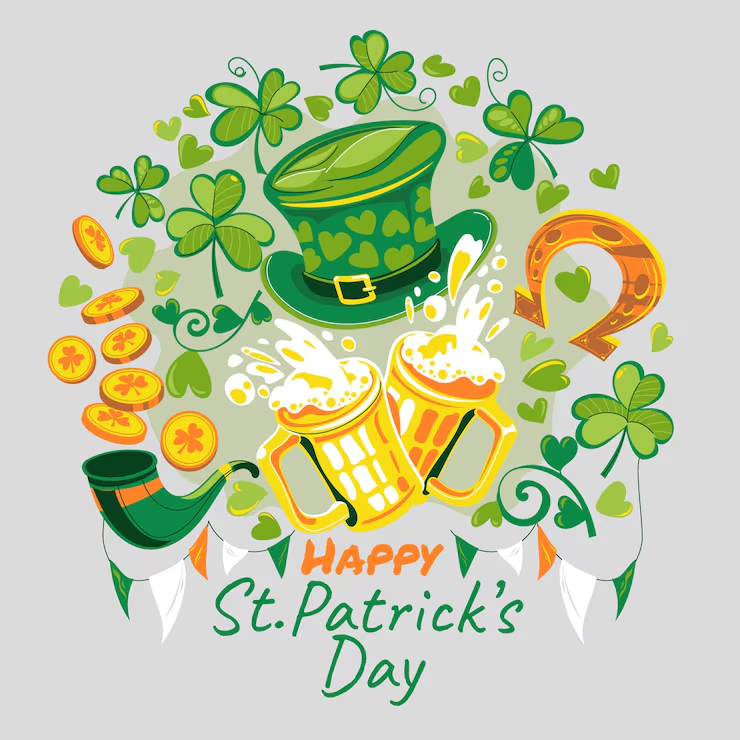
| Shamrocks and leprechauns: | Modern celebrations commonly feature symbols like shamrocks and leprechauns. | ||
 | |||