When and where did it begin?
How was it celebrated at that time?
What was the original purpose of this holiday?
Evolution | Culture | Celebrations | St Patrick's Day
When and where did it begin? | |||
| When: | The origins of St. Patrick's Day trace back to the 5th century, when Saint Patrick died on March 17th, the date now honored. It was officially recognized as a feast day in Ireland in 1631. | ||
| Where: | The day began in Ireland to honor its patron saint. The first parades, however, took place much later in the United States, with the first being held in New York City in 1762, organized by Irish soldiers serving in the British Army. | ||
| |||
How was it celebrated at that time? | |||
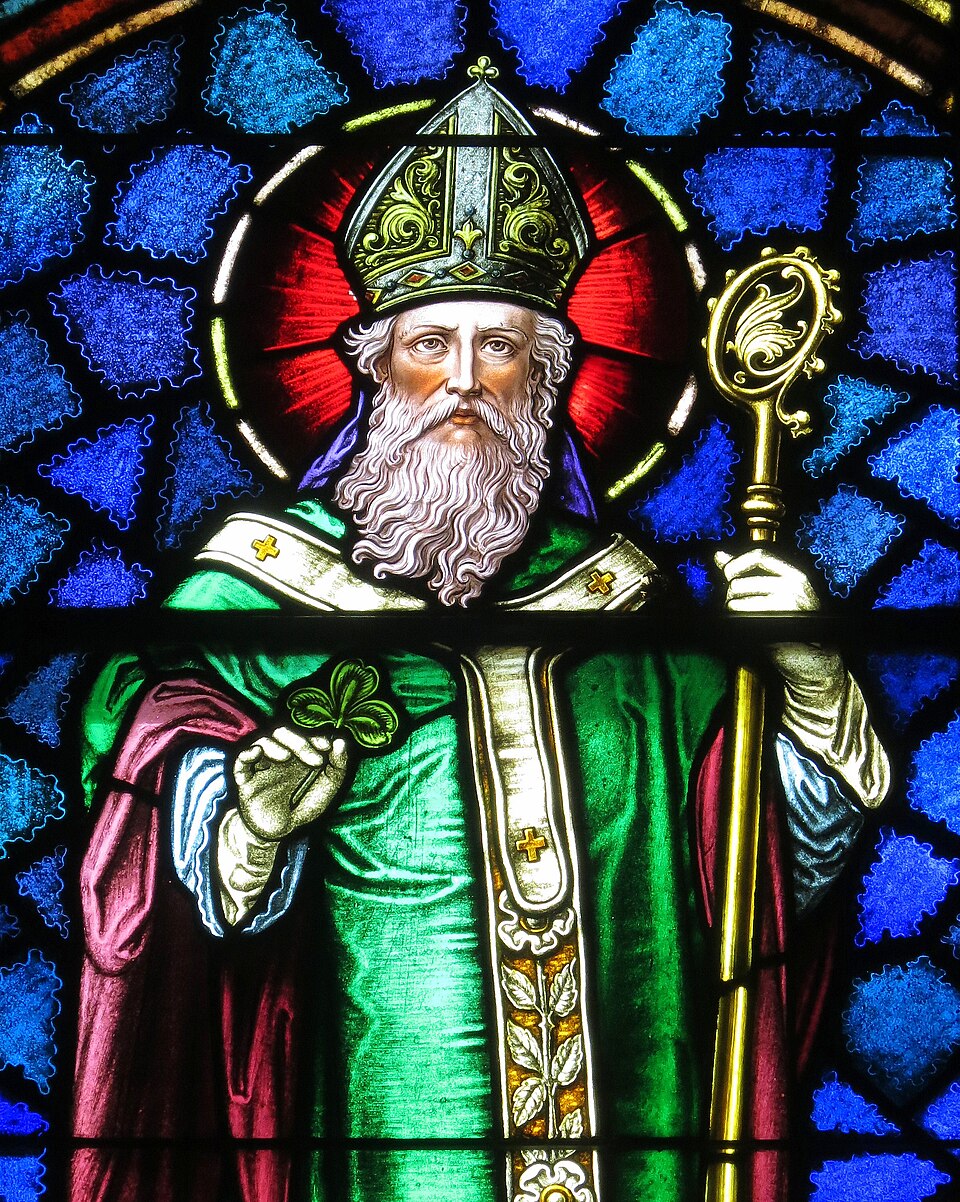
| Religious observance: | The original celebrations were religious in nature, focusing on commemorating the life and work of Saint Patrick | ||
| Modest gatherings: | In Ireland, it was a solemn feast day, and celebrations were modest, typically including church services and simple feasts in the afternoon. | ||
| Fasting: | The holiday, which falls during the Catholic season of Lent, provided a brief break from fasting. | ||
| |||
What was the original purpose of this holiday? | |||
| Spreading Christianity: | The original purpose was to celebrate Saint Patrick for his missionary work in converting the Irish people to Christianity in the 5th century. | ||
| Spiritual commemoration: | The day was a solemn and spiritual occasion to honor the saint, his life, and his death on March 17th. | ||
| Irish identity: | Over time, particularly in America, it evolved into a broader celebration of Irish heritage and identity, fueled by Irish immigrants who used it to express pride and connect with their roots. | ||